
What happens next
- Identify the truck, trailer, carrier, driver and crash-investigation agency. Ask counsel about preserving dashcam, engine and dispatch data promptly.
- Counsel can compare duty logs and shipping documents with the collision time and review maintenance or loading records when those issues matter.
- Discuss whether a vehicle inspection, reconstruction or independent technical opinion will help identify responsibility before evaluating a demand or suit.
Timing and deadlines
Certain federally regulated driver logs and supporting documents have a six-month retention requirement. Cameras may overwrite earlier. This is an evidence-retention rule. The separate legal deadline to file a lawsuit needs its own review.
Costs and payment
Technical inspections, data downloads, expert analysis and storage may add expense. Ask who approves and advances those costs, especially before authorizing release or disposal of a damaged vehicle.
How to prepare
- Record the USDOT number, carrier name, plate numbers and location of any impounded vehicles if known.
- Keep uncropped photos of both units, road markings, cargo and nearby cameras.
- Bring agency correspondence and insurer requests for photos, inspection or release of the vehicle.
Questions and answers
Is the driver’s log enough to prove fatigue?
The log is one part of the record. Dispatch messages, delivery times, video, witness observations and the crash sequence may support or contradict a theory about fatigue.
What if I only photographed the trailer?
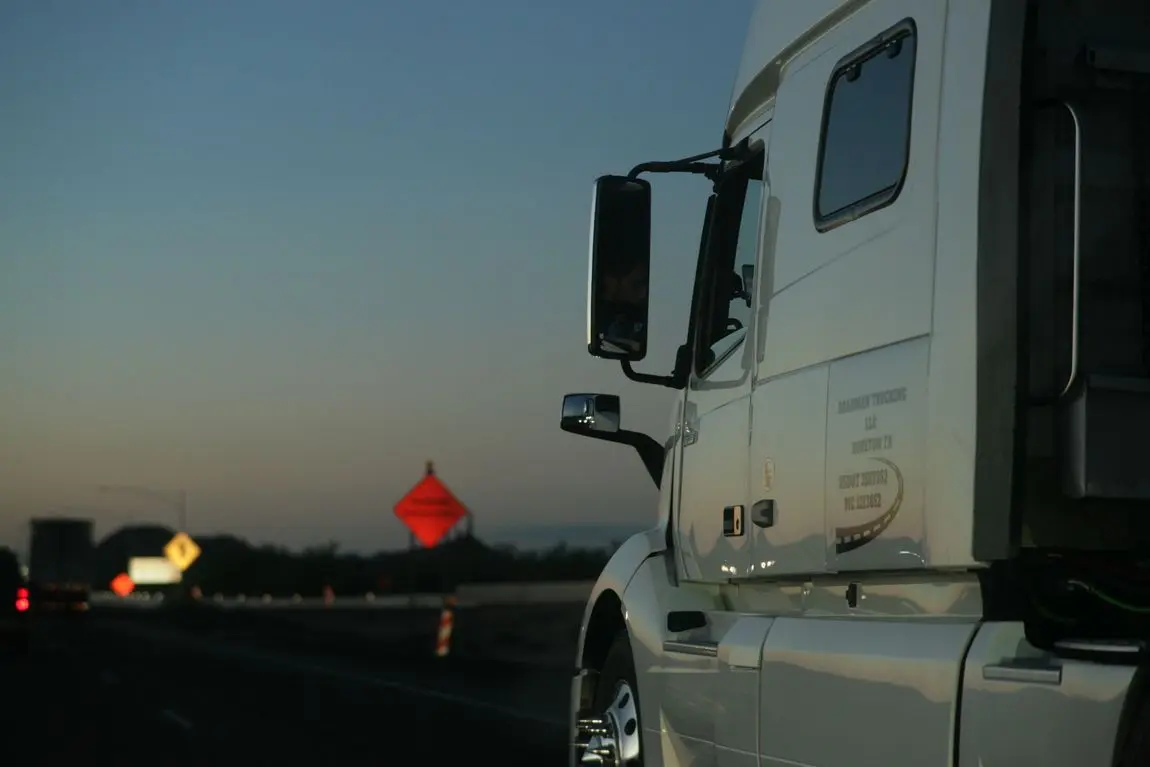
Keep it. A plate, trailer number, logo or lettering may help identify one company. The police report, tow documents and witness photos may help identify the tractor and other parties.
Several companies are named in the crash paperwork. Who was responsible for what?
Keep the names exactly as written, including the carrier, any owner of the tractor or trailer and anyone identified as loading the cargo. Different witnesses or records can establish who dispatched the driver, maintained equipment or handled the load.
Which electronic evidence should I mention right away?
Tell counsel about dashboard cameras, any recording you made, nearby business cameras, and photos showing a company name or unit number. Different systems retain files for different periods. The location and time help counsel direct preservation requests.
Who pays for a truck inspection or crash reconstruction?
Ask which issue the inspection would address, whether evidence is still available, and what a qualified expert would charge. Confirm in writing who advances that expense and how it is handled if the claim resolves early or produces no recovery.
Let’s talk about your next step.
You don’t have to figure it out alone. Talk with Angel’s office about your concerns, upcoming dates and how the team can help.